New to Miami? Here's How to Build a Real Friend Group
You moved here for the weather, the energy, maybe a new job. Nobody warned you about the Tuesday nights.
The ones where you are eating croquetas alone, watching somebody else’s boat day through your phone, and wondering whether you missed the part where Miami handed out preassembled friend groups.
You did not.
Making friends in Miami as an adult can feel harder than it should. The city is social, but it is also fragmented. People work in one neighborhood, live in another, spend weekends somewhere else, and routinely describe a 35-minute drive as “close.”
The solution is not to attend every party, collect more followers, or keep telling yourself to “put yourself out there.” You need a repeatable system: familiar places, recurring plans, a manageable radius, and enough follow-up for acquaintances to become part of your actual week.
This is that system.
Why Making Friends in Miami Feels So Difficult
Miami is not short on people, plans, or places to go. The difficulty is turning any of them into consistent friendships.
Three structural problems usually get in the way.
Miami Is a City of Arrivals
A large percentage of people living in Miami have already experienced starting over somewhere new. According to U.S. Census Bureau data on Miami, 57.7% of the city’s residents were born outside the United States.
That does not mean everyone arrived recently, but it does mean Miami is shaped by people who have had to rebuild routines, communities, and social networks.
The strange part is that almost everyone hides it.
People arrive, find one or two contacts, and assume every group around them is already established. Meanwhile, the person beside them at the coffee shop may be running the same quiet calculation: Who do people text on a random Wednesday?
Your advantage is simple. The first person who breaks that pattern usually discovers that everyone else is relieved.
The Geography Works Against Consistency
Miami is nine cities in a trench coat.
Brickell does not socialize like Coconut Grove. Wynwood operates differently from Coral Gables. A plan that looks close on a map can require traffic, parking, and enough emotional commitment to qualify as a weekend trip.
The official Greater Miami neighborhood guide describes the area as a collection of distinct cultural and geographic communities rather than one uniform city.
That matters because proximity is not just a convenience. It determines whether someone becomes a regular part of your life.
A friend who lives ten minutes away can become a Tuesday friend. A friend who lives forty minutes up I-95 often becomes a birthday-party friend.
Established Groups Look More Closed Than They Are
Walk past a run club, beach volleyball game, or busy trivia table and it may appear that everyone arrived together.
Usually, you are seeing the final version of a group, not how it started.
Most recurring communities are a mixture of regulars, newer members, friends of friends, and people who showed up alone but are trying not to look like they did. You do not need to enter as the most confident person in the room. You need to become recognizable.
That only happens through repetition.
How to Make Friends in Miami: Six Steps That Work
Random social activity creates random results. These six steps are designed to turn isolated outings into consistent relationships.
1. Choose a Recurring Activity, Not a One-Time Event
One-time events are good for entertainment and weak for friendship.
You have one good conversation, exchange Instagram handles, say “we should do something,” and never occupy the same physical space again.
A recurring activity solves that problem before it starts.
Choose something that happens at the same time every week or every other week:
- A neighborhood run club
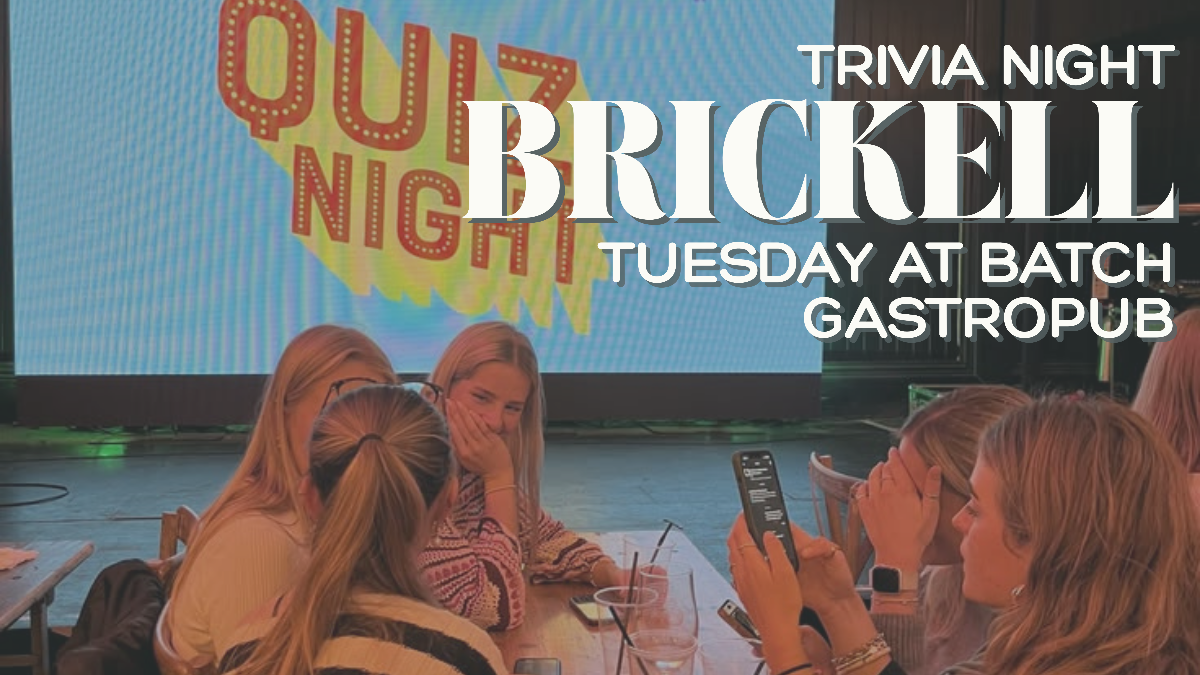
- Trivia night
- Beach volleyball
- A pottery or art class
- A book club
- Yoga in the park
- A volunteer group
- A recurring farmers market walk
Psychologists use the term mere-exposure effect to describe how repeated exposure can increase familiarity and preference when there is no initial negative association.
Regulars call it “the Tuesday thing.”
The activity matters less than the calendar slot. Repetition gives people time to remember your name, understand your personality, and speak to you without restarting the relationship from zero.
2. Go Three Times Before You Decide It Is Not for You
Most people judge a social group after one visit.
That first visit is usually the least representative one. You do not know the format, the regulars do not know you, and every conversation requires more effort than it will later.
Use the three-visit rule:
Visit one: You learn how the group works.
Visit two: People begin recognizing you.
Visit three: You stop feeling like a guest.
You may still decide the activity is not your crowd. The point is to decide based on the group itself—not the discomfort of being new.
One appearance makes you a visitor. Three begin to make you a regular.
3. Build Your Social Life Close to Home
When you are moving to Miami alone, the instinct is to search the entire city for the “best” event.
That approach looks ambitious and usually fails.
Choose a primary social radius of approximately 10 to 15 minutes from your home or workplace. You can still attend larger events elsewhere, but your recurring plans should be easy enough to repeat on an ordinary weeknight.
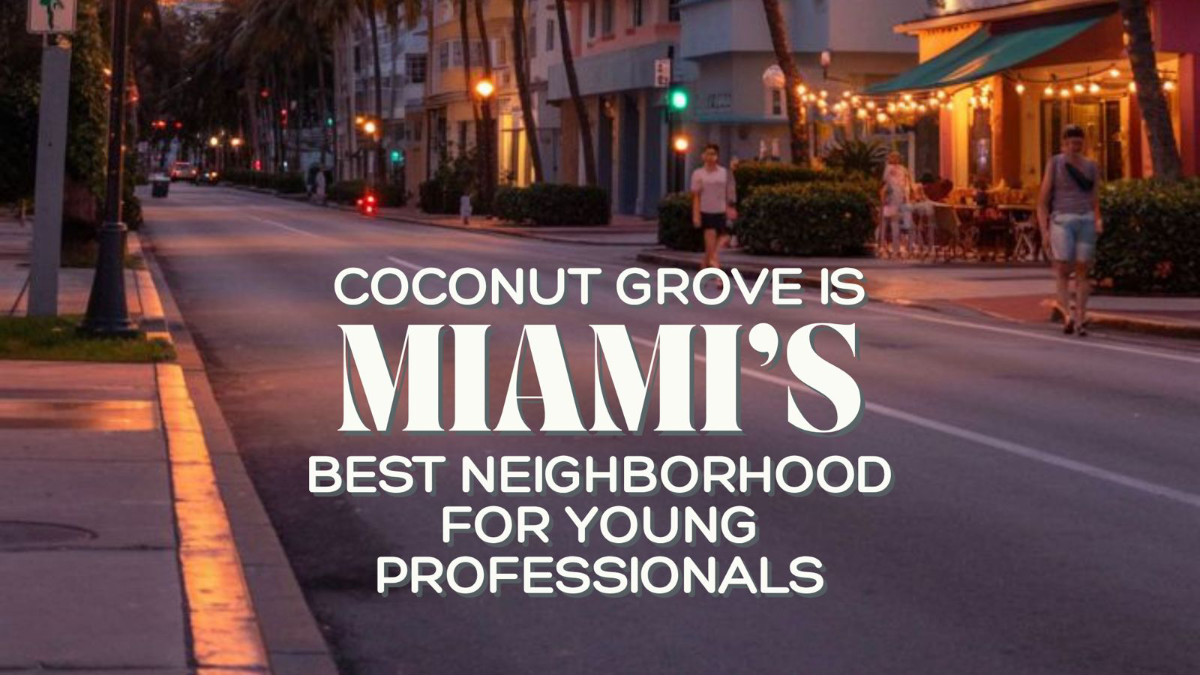
If you live in Brickell, begin in Brickell. If you live in Coconut Grove, find the weekly plans that already happen in Coconut Grove.
Compatibility matters, but compatibility plus proximity is what turns a promising introduction into a dependable friendship.
4. Let the Activity Carry the Conversation
“What do you do?” is not forbidden, but it rarely creates momentum.
Shared activities give you more natural openings:
- “Is the pace group always this chaotic?”
- “Have you taken this instructor’s class before?”
- “Does everyone get coffee afterward?”
- “How long have you been coming here?”
- “Are you coming again next week?”
The objective is not to deliver a fascinating opening line. It is to establish enough familiarity for the next conversation to be easier.
Activity-based communities also take pressure off people who dislike traditional networking. You are not standing in a room searching for a reason to speak. The reason is already happening around you.
5. Suggest the Plan After the Plan
The official event creates contact. The second stop creates friendship.
The run ends. Somebody asks about coffee.
Trivia finishes. Somebody suggests food.
The class wraps up. Somebody wants to walk around the neighborhood.
Be that person.
You do not need to organize a complicated evening. Use a low-friction suggestion:
“I’m grabbing a cafecito nearby. Anyone want to come?”
The people who say yes are signaling that they want more than participation in the activity. They are choosing additional time together.
That distinction matters.
6. Run a 30-Day “Yes” Experiment
For one month, say yes to every reasonable invitation that fits your schedule, safety boundaries, and budget.
Paddleboarding on Saturday? Yes.
A book club where you know nobody? Yes.
A beginner salsa class when you cannot dance? Especially yes.
The goal is not to maintain that pace indefinitely. It is to gather enough information to discover which people, neighborhoods, and activities fit you.
At the end of 30 days, keep the two or three recurring plans that felt easiest to return to. Drop the rest without guilt.
You are not trying to become busy. You are trying to build defaults.
Where to Meet People in Miami by Neighborhood
The strongest Miami social strategy depends on where you live and how you naturally spend your time.
Brickell and Downtown Miami
Brickell works well for people who prefer active, after-work, and professionally adjacent communities.
The neighborhood combines offices, residential towers, restaurants, bayfront parks, cultural spaces, and a dense concentration of places within a relatively small radius. The official Brickell neighborhood guide highlights its restaurants, parks, arts, nightlife, and waterfront setting.
Good starting points include:
- Run clubs
- Fitness classes
- Trivia nights
- Coworking events
- Volunteer activities
- Coffee walks
- Professional groups with a recurring social component
Run clubs are especially useful because they create a consistent schedule and a natural reason to talk before and after the activity.
Wynwood and Midtown
Wynwood is better suited to creative and interest-led socializing.
The neighborhood is built around galleries, murals, cafés, shops, breweries, music, and rotating cultural activity. The official Wynwood neighborhood overview describes it as Miami’s creative and cultural hub.
Look for:
- Photography walks
- Art workshops
- Pottery classes
- Live music
- Design events
- Pop-up markets
- Dance classes
- Creative-industry communities
The event should still be recurring whenever possible. A weekly class is more valuable for friendship formation than a large annual festival.
Coconut Grove and Coral Gables
Coconut Grove offers a slower, more neighborhood-centered rhythm.
Its compact layout, waterfront parks, outdoor dining, farmers markets, independent businesses, and community events make it easier to see the same people repeatedly. The official Coconut Grove guide describes the neighborhood’s laid-back character, green spaces, markets, marina, and pedestrian-friendly commercial areas.
Consider:
- Farmers market coffee walks
- Yoga or fitness in the park
- Book clubs
- Sailing and watersports groups
- Volunteer events
- Outdoor dining meetups
- Recurring cultural programs
Coral Gables also works well for bookshops, wellness activities, restaurant-based groups, cultural institutions, and organized community events.
Key Biscayne and Miami’s Waterfront Communities
Miami’s waterfront gives residents access to social activities that do not revolve around bars or nightlife.
The Key Biscayne neighborhood guide highlights its beaches, parks, trails, tennis facilities, boating, kayaking, and other outdoor recreation.
Social options include:
- Beach volleyball
- Running and cycling groups
- Paddleboarding
- Kayaking
- Park volunteer days
- Tennis
- Beach cleanups
- Group fitness
These activities work because they often generate a natural second plan: breakfast, brunch, coffee, or another session the following week.
Where Friendship Apps Fit Into the Process
Technology cannot build a friendship for you. It can improve the conditions under which one starts.
Traditional friend-finding platforms often begin with profiles and conversation. Event platforms begin with a calendar. Both can leave a critical gap between discovering somebody and having a realistic reason to meet again.
Sevenish is designed around that missing middle.
A short personality quiz helps members meet compatible people in Miami, while nearby events create a specific time and place to meet. Instead of endlessly messaging a stranger, you can move toward a public group plan that already fits your interests and neighborhood.
Sevenish also brings together local hosts creating community experiences and Miami venues interested in recurring social activity. That ecosystem matters because reliable friendships need reliable places to happen.
The process is straightforward:
- Complete the vibe check.
- Discover compatible people and nearby plans.
- RSVP to an event.
- Join the event chat before arriving.
- Use your QR ticket at the door.
- Show up with some context instead of walking into a room completely cold.
For people concerned about attending alone, review how Sevenish approaches safety, including age requirements, public event settings, in-app communication, and member reporting tools.
The core features are designed to remain accessible, while additional recommendation and planning features are available through Sevenish+. You can compare Sevenish pricing and membership features before launch.
Sevenish is rolling out in Miami neighborhood by neighborhood, beginning with Brickell and Coconut Grove.
Join the Miami waitlist to get early access when your neighborhood opens.
The Part Most People Miss: Friendship Requires Accumulated Time
Meeting somebody is only the beginning.
A widely cited study on how many hours it takes to make a friend found that time spent together is strongly associated with greater friendship closeness. Leisure time and voluntarily chosen activities were especially relevant; simply occupying the same workplace or classroom was less effective.
The research suggests that casual friendship can begin after roughly 40 to 60 hours of shared time, while close friendship may require more than 200 hours. Those are broad estimates, not deadlines, but the underlying lesson is useful.
Friendship does not usually fail because the first conversation was imperfect. It fails because there was no second, fifth, or tenth conversation.
That is why recurring activities outperform isolated events. They accumulate time without requiring somebody to reinvent the plan every week.
Stop Looking for an Instant Crew
You do not need to meet ten perfect people this weekend.
You need one recurring activity, one manageable neighborhood radius, and enough consistency for several people to become familiar.
Go back three times.
Ask someone to get coffee.
Say yes for 30 days.
Let Tuesday become a thing.
Miami becomes much easier to love once you stop trying to conquer the whole city and start becoming a regular in one small part of it.
Sevenish is launching in Brickell and Coconut Grove first. Join the Sevenish waitlist and get early access to compatible people, nearby plans, and a better reason to leave the apartment.
FAQs About Making Friends in Miami
Is Miami a hard place to make friends?
Miami can feel difficult because the city is geographically spread out and people often divide their lives across multiple neighborhoods.
It is also a city shaped by arrivals. More than half of Miami residents were born outside the United States, which means many people have experience creating a life and social network somewhere new.
The most effective response is to focus on recurring activities near home rather than trying to enter the entire Miami social scene at once.
How can I make friends in Miami if I do not drink?
Choose social activities that are built around movement, learning, volunteering, or shared interests rather than alcohol.
Strong options include run clubs, yoga, beach volleyball, pickleball, book clubs, pottery classes, farmers markets, kayaking, cycling, community cleanups, and volunteer programs.
Morning and daytime activities also tend to create clearer routines and make it easier to meet again.
What should I do during my first month after moving to Miami alone?
Use a four-week structure:
Week one: Choose one recurring activity within 15 minutes of home.
Week two: Attend it again and speak to at least two people.
Week three: Return for a third visit and add one additional activity.
Week four: Suggest coffee, food, or another low-pressure plan after the event.
At the end of the month, keep the activities that created the most natural follow-up.
What is the best app to meet people in Miami without dating?
Look for an app that is explicitly friendship-first, supports local group plans, and gives members enough context before they arrive.
Sevenish combines personality-based matching with neighborhood events, event chats, RSVPs, and QR tickets. It is designed to help people move from compatible profiles to real-world group plans rather than endless messaging.
How long does it take to make real friends in a new city?
There is no universal timeline, but friendship research suggests that repeated, voluntarily chosen leisure time is more important than simply knowing someone for a long period.
Research by Jeffrey Hall estimates that a casual friendship may begin after approximately 40 to 60 hours together, while a close friendship can require more than 200 hours.
A weekly two-hour activity plus coffee afterward can accumulate meaningful time much faster than occasional large events.
Which Miami neighborhood is best for meeting people?
Usually, the best neighborhood is the one where you can participate consistently.
Brickell works well for run clubs, fitness, after-work events, and professional communities. Coconut Grove supports outdoor activities, markets, book clubs, and neighborhood-based routines. Wynwood is stronger for creative hobbies, art, music, and workshops. Key Biscayne is a practical option for outdoor and watersports communities.
Choose based on proximity and repeatability, not just the number of events listed online.
Sevenish is launching in Miami first. Join the waitlist and be there from day one.
Join the Waitlist