Moving to Miami Alone? Read This Before Your First Week
Moving to Miami alone can feel exciting right up until you realize you have nobody to text on a random Tuesday.
You may have a new apartment, a new job, and a long list of places you want to visit. What you do not have yet is a routine—or people who make the city feel familiar.
That part takes longer than unpacking.
Your first week should not be about seeing all of Miami or saying yes to every invitation. It should help you understand your neighborhood, make everyday life easier, and create one or two reasons to leave the apartment again next week.
Here is where to start.
What Your First Week in Miami Should Accomplish
New residents often treat their first few days like a vacation.
They schedule dinner in Brickell, drinks in Wynwood, a beach morning, and a night out in Miami Beach. By the end of the week, they have crossed half the city but still do not know where to buy groceries or what they will do after work on Wednesday.
Exploring matters, but your first week should give you something more useful: a basic structure.
By the end of it, you should know:
- Where you will handle everyday errands
- Which local place you would visit regularly
- What social activity you could attend again
You do not need to feel settled immediately. You only need to make the city easier to enter a second time.
Start With the Miami You Can Reach Consistently
The Miami you saved on Instagram may not be the Miami you can realistically fit into your week.
Begin close to home. Find a grocery store, pharmacy, coffee shop, park, gym, or casual restaurant that you can reach without turning the trip into an event.
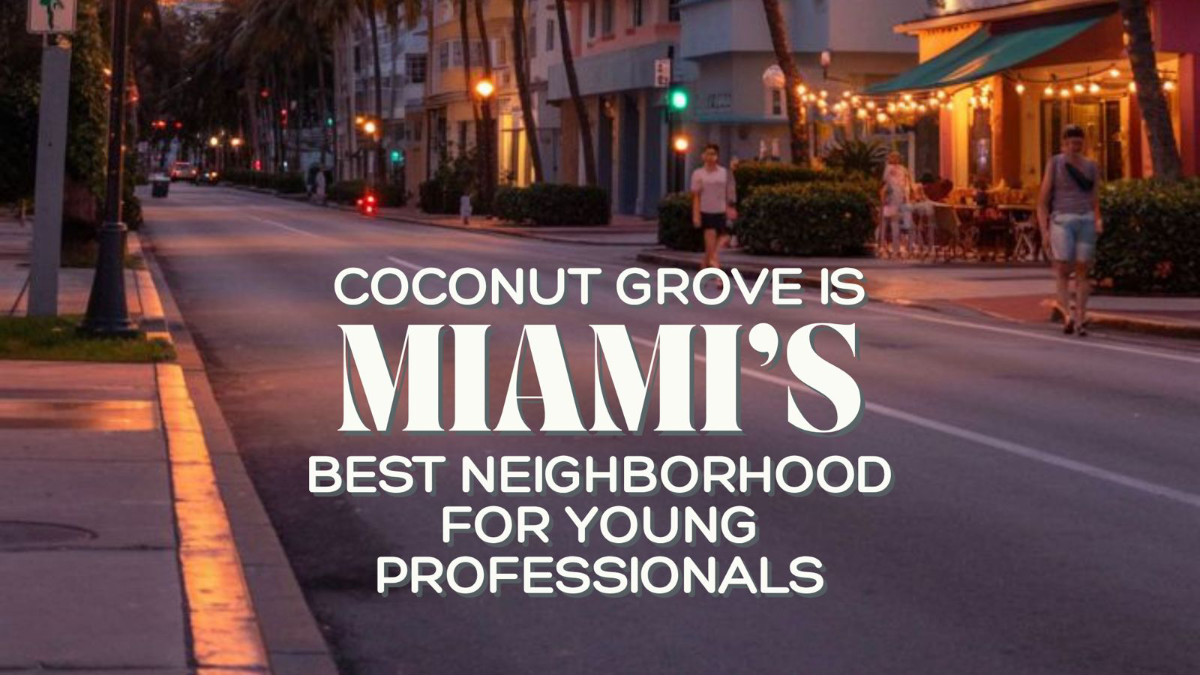
If you are moving to Brickell, spend your first few days learning Brickell and Downtown before trying to build a routine across the entire city. The same principle applies if you live in Coconut Grove, Coral Gables, Wynwood, or Miami Beach.
The best local spot is not always the most popular one. It is the one you will still visit when you are tired, busy, or not in the mood to make a complicated plan.
See How Your Neighborhood Feels on a Normal Weeknight
A neighborhood can feel completely different on a Wednesday evening than it did during a Saturday apartment tour.
Walk the routes you are likely to use regularly. Check how long it takes to reach the grocery store after work. Visit the nearest coffee shop. Look at transportation options and notice which areas remain active after dark.
This is not about judging the entire neighborhood in one evening. It is about learning which routines will be comfortable and sustainable.
Build Three Anchors Before the Weekend
You do not need a complete Miami lifestyle during your first week. You need three reliable points in your calendar.
A Practical Anchor
Choose where you will handle groceries, household items, pharmacy needs, and other routine errands.
Complete the basic setup early. Save your building instructions, update delivery addresses, locate nearby medical services, and learn how you will get around.
These tasks are not exciting, but they reduce the number of decisions you have to make every day.
A Familiar Anchor
Choose one place you can return to without needing a special reason.
It could be a coffee shop, gym, park, coworking space, or neighborhood restaurant. Regular visits help you recognize the area, understand its rhythm, and become a familiar face.
You are not trying to force friendships out of ordinary errands. You are creating places where you no longer feel like a visitor.
A Social Anchor
Choose one activity that happens again the following week.
A run club, trivia night, fitness class, volunteer shift, workshop, or book club gives you something a one-time event cannot: another opportunity to see the same people.
That second interaction is often where a new city starts to feel less anonymous.
Choose a Social Plan You Can Repeat
Large events can be entertaining, but they are not always the easiest places to build relationships.
You may speak with several people, exchange social media accounts, and leave without a clear reason to meet again.
Recurring activities solve part of that problem. The next interaction is already built into the calendar.
Our guide to making friends in Miami explains how repeated contact, proximity, and follow-up can turn casual conversations into real friendships. During your first week, keep the goal smaller: find one group you would be willing to see twice.
Arrive a Few Minutes Early
Walking into an activity at the exact start time can make conversation harder. People are checking in, finding seats, or waiting for instructions.
Arriving ten minutes early gives you a natural opening to ask:
“Is this your first time too?”
“Does the group meet every week?”
“Do people usually stay afterward?”
The conversation does not need to be memorable. It only needs to make the next hello easier.
Leave With a Clear Next Step
“We should hang out sometime” is friendly but vague.
A more useful follow-up connects the conversation to a real plan:
“Are you coming back next Tuesday?”
“Does the group always get coffee afterward?”
“Have you tried the Saturday class?”
Your goal is not to find an entire friend group in seven days. It is to create one realistic opportunity to see someone again.
How to Meet People Safely When You Are New to Miami
Moving alone can make you eager to connect, but being open to new people does not require giving up control of your personal information.
Your first plans should be easy to join and easy to leave.
Choose Public, Group-Based Activities
Meet in established public places such as coffee shops, studios, parks, restaurants, and fitness spaces.
Group settings provide more context than meeting one unfamiliar person privately. You can observe the atmosphere, speak with different attendees, and leave independently.
Avoid using your apartment as the meeting point. Sharing your general neighborhood is enough. New acquaintances do not need your building name, unit number, or daily schedule.
Keep Early Conversations Inside the Platform
There is no need to give someone your personal phone number immediately.
In-app communication allows you to stay connected while deciding whether you want to move the conversation into your private contacts.
Sevenish is built around public events, private in-app chats, account verification, reporting and blocking tools, and solo-friendly group experiences. You can review the complete Sevenish safety approach before attending an event.
Keep Someone You Trust Informed
Tell a friend or family member where you are going, when the activity begins, and when you expect to leave.
Arrange your own transportation, keep your phone charged, and avoid depending on someone you have just met for a ride home.
These precautions do not need to make the experience feel tense. They simply allow you to remain in control of the plan.
A Simple Seven-Day Plan for Moving to Miami Alone
You do not need to solve your entire social life during your first week. Give each stage of the week a clear purpose.
Days 1 and 2: Make Everyday Life Functional
Unpack the essentials and identify the places you will use regularly.
Locate groceries, pharmacy services, transportation, parking, and nearby medical care. Take a walk around your immediate neighborhood and notice what is open during the hours you are most likely to be outside.
Days 3 and 4: Choose One Activity
Find one local activity that matches your interests and takes place within a manageable distance.
Confirm the time, cost, location, and whether newcomers are welcome. Choose something you could realistically attend again, not simply the most impressive event on your feed.
Days 5 Through 7: Attend and Schedule the Return
Go to the activity. Introduce yourself to one person. Ask one simple question and stay for a few minutes afterward if the environment feels comfortable.
Before the week ends, place the next event on your calendar.
Returning once is more valuable than attending several unrelated events and never seeing the same people again.
What Not to Do During Your First Week
Do not pressure yourself to prove that moving alone has made you fearless or endlessly social.
You do not need to accept every invitation, travel across Miami for every event, or share personal information to appear friendly.
You also should not judge the entire move after one quiet weekend.
Your apartment may still feel temporary. Conversations may remain superficial. You may not have found your people yet. None of that means the move is failing.
Instead of asking whether you already have a friend group, ask whether you have created opportunities for connection to grow.
That is a more realistic measure of a successful first week.
When Miami Starts to Feel Like Home
Miami will not feel familiar because you visited every neighborhood.
It will feel familiar when you know where to get coffee, recognize a few faces, and have something on the calendar that you genuinely want to attend.
Start with a small radius. Build a routine you can maintain. Choose one recurring plan. Protect your privacy while meeting new people, and give promising connections enough time to develop.
Sevenish is designed to make that process easier by matching people through personality, lifestyle, and nearby activities instead of asking them to walk into unfamiliar events completely cold.
See how Sevenish works and join the Miami waitlist to start finding people and plans that fit the way you want to live.
Frequently Asked Questions About Moving to Miami Alone
Is it hard to move to Miami alone?
Moving to Miami alone can feel difficult because you are handling housing, logistics, routines, and social connections at the same time. Focusing on one neighborhood and establishing a few repeatable habits can make the transition more manageable.
What should I do first after moving to Miami?
Start with practical needs such as groceries, transportation, pharmacy access, building procedures, and your route to work. Once those are settled, choose one local place to visit regularly and one recurring social activity.
How can I meet people safely in Miami?
Attend public, group-based activities, arrange your own transportation, and keep initial conversations inside the platform. Avoid sharing your exact address or personal routine until you know and trust someone.
Which Miami neighborhood is best for someone moving alone?
The right neighborhood depends on your budget, commute, transportation needs, and lifestyle. Proximity to the places you will use regularly is often more valuable than living in the most popular area.
Can I move to Miami without knowing anyone?
Yes. Focus on repeated contact rather than trying to meet as many people as possible. Recurring activities, neighborhood groups, and specific follow-up plans are more likely to produce lasting connections.
Can I use Sevenish if I am attending alone?
Yes. Sevenish is designed for solo participation. Members can connect through group chats before attending public activities, making it easier to arrive without already knowing someone.
Sevenish is launching in Miami first. Join the waitlist and be there from day one.
Join the Waitlist